
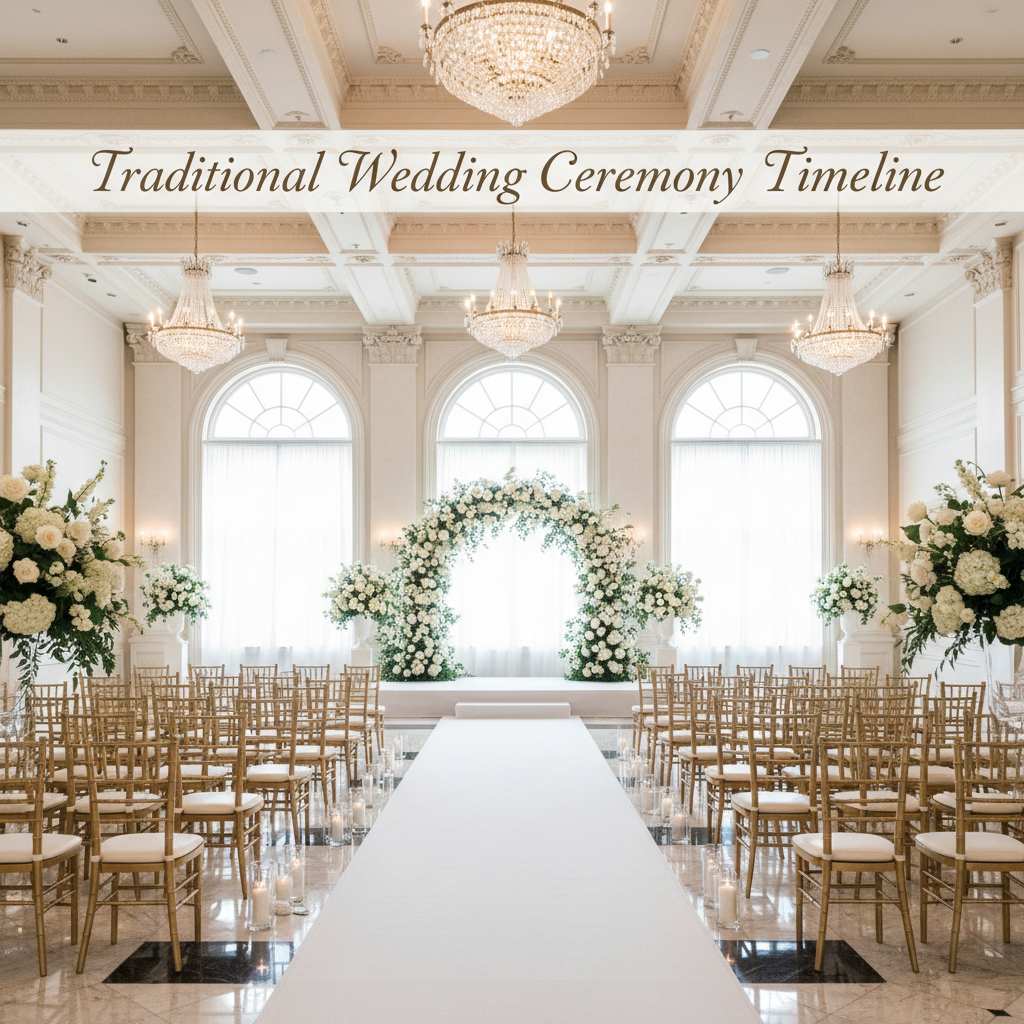
Planning a Traditional Wedding Ceremony: A Complete Timeline
Planning a traditional wedding ceremony can feel like a lot—processional order, rituals, music cues, and family expectations. Here’s the good news: with a clear plan and a venue partner that understands cultural detail, your day flows beautifully from first entrance to final exit. This guide is designed for couples celebrating in and around Mississauga who want a respectful, elegant, and perfectly timed traditional wedding ceremony.
- Learn the structure of a traditional wedding ceremony and why timing matters
- Follow a month-by-month plan and a day-of run-of-show
- Explore faith and culture-specific rituals (Hindu, Muslim, Jewish, Christian, Caribbean)
- Use practical checklists, templates, and layout tips that work in real venues
- See how Palacio Event Centre at 3410 Semenyk Ct supports every detail
Quick Summary
- A traditional wedding ceremony typically includes: processional, welcome, readings/rituals, vows, ring exchange, pronouncement, recessional.
- Most ceremonies run 20–40 minutes; multi-ritual services can be longer—plan seating comfort and water stations accordingly.
- Venue details matter: ceiling height, stage visibility, aisle width, lighting, and sound all affect guest experience.
- Palacio Event Centre in Mississauga offers versatile rooms (140–900 guests), 23-foot ceilings, multicultural catering, bar packages, and full event planning support.
- Use our month-by-month checklist and the day-of run sheet to keep everyone on cue—officiant, musicians/DJ, photographer, and family.
Quick Answer
A traditional wedding ceremony follows a familiar order—processional, rituals or readings, vows, rings, pronouncement, and recessional. At 3410 Semenyk Ct in Mississauga (ON), Palacio Event Centre supports faith-specific customs, staging, and AV needs so your traditional wedding ceremony flows smoothly from first entrance to final exit.
Local Tips
- Tip 1: Plan arrivals with Highway 403 and Mavis Road traffic in mind—weekday ceremonies near Square One can run tight. Suggest guests arrive 20 minutes early.
- Tip 2: Peak season (late spring–early fall) books quickly. Secure your rehearsal slot and ceremony staging window early to coordinate décor and AV checks.
- Tip 3: Build a 15-minute photo buffer around the IBIZA Grand Ballroom stage; the 23-foot ceilings and floral installations are worth the extra time.
IMPORTANT: These tips reflect on-the-ground flow at Palacio Event Centre in Mississauga to keep your timeline on track.
What Is a Traditional Wedding Ceremony?
A traditional wedding ceremony is a structured sequence of meaningful moments that reflect your culture or faith. While the details vary, the framework below helps you plan confidently and communicate expectations to your officiant, musicians, and photographer.
- Processional: Orderly entrances for family, wedding party, and the couple.
- Welcome/Invocation: Greeting, prayer, or opening words from the officiant.
- Readings or Rituals: Scripture, poetry, unity candle, garland exchange, breaking the glass, ketubah signing, nikah signing, or saptapadi/phere.
- Vows: Traditional text or personal promises approved by your officiant.
- Ring Exchange: Symbolic exchange and blessing.
- Pronouncement: The officiant declares the marriage.
- Recessional: Joyful exit by the couple, wedding party, and immediate family.

Why Ceremony Structure and Timing Matter
Structure protects what’s sacred; timing protects what’s special. Together, they create a ceremony guests can hear, see, and feel.
- Respect for tradition: Ensure core rituals happen at the right time and remain visible for every guest.
- Vendor sync: Align music cues, lighting looks, live streaming, and camera angles for seamless storytelling.
- Guest comfort: Target 20–40 minutes unless your tradition requires longer; plan seating and water accordingly.
- Seamless transitions: Smoothly move from ceremony to cocktail hour or reception in the same venue—no travel delays.
- Accessibility: Map entrances, ramps, and stage access for elders, kids, and guests with mobility needs.
How a Traditional Wedding Ceremony Works
Use this base sequence, then tailor it with your officiant to honor your culture, family, and faith.
Standard Order of Service (20–40 minutes)
- Prelude (10–20 min): Music as guests arrive; ushers seat elders and immediate family.
- Processional (5–10 min): Family and wedding party entrances; couple’s entrance.
- Welcome & Opening Words (2–3 min): Greeting, prayer, or brief reflection.
- Readings or Rituals (5–15 min): Scripture, poetry, unity acts, garland exchange, or culture-specific rites.
- Vows (3–5 min): Traditional or personal promises.
- Ring Exchange (2–3 min): Blessing and exchange.
- Closing Blessing/Prayer (1–2 min)
- Pronouncement & First Kiss (1 min)
- Recessional (3–5 min): Couple leads the joyful exit.
Month-by-Month Planning Timeline
| Timing | Key Ceremony Tasks |
|---|---|
| 12+ months out |
|
| 9–11 months |
|
| 6–8 months |
|
| 3–5 months |
|
| 1–2 months |
|
| Week-of |
|
| Day-of |
|
Which Room Fits Your Ceremony?
Choose a space that matches your guest count, staging, and ritual needs. Palacio Event Centre offers flexible configurations:
| Room | Approx. Capacity | Best For | Ritual Compatibility |
|---|---|---|---|
| ARRIBA | Up to 140 | Intimate ceremonies, civil services, small chuppah/arch | Unity candle, ring blessings, compact mandap, ketubah signing |
| IBIZA-B | Up to 300 | Mid-size services with modest staging and aisle florals | Chuppah, nikah table, garland exchange, small baraat entry |
| IBIZA-A | Up to 450 | Larger ceremonies requiring additional family seating | Mandap with priest seating, multi-reader segments, live musicians |
| IBIZA Grand Ballroom | Up to 900 | Grand productions, multi-ritual services, and lavish décor | Full mandap, extended chuppah, staged nikah, wide center aisle |
Types of Traditional Wedding Ceremonies (and Key Rituals)
Here are traditional frameworks we frequently see in Mississauga. Use them as starting points and customize with your officiant.
Christian Traditions
- Key elements: Processional, welcome, readings, homily/sermon, vows, rings, unity ritual, blessing, pronouncement.
- Music: Prelude hymns, processional, recessional—consider a string trio or organ-style tracks.
- Venue fit: Aisle seating with a focal altar or floral arch works beautifully under tall ceilings.
Hindu Traditions
- Key elements: Baraat, milni, ganesh puja, kanyadaan, hastmelap, saptapadi/phere, mangalsutra, sindoor.
- Staging: A mandap with adequate height and footprint for priests, couple, and parents.
- Timing: Often longer; plan seating comfort, water service, and clear sightlines.
Muslim Traditions
- Key elements: Nikah contract, khutbah, consent (ijab-qabul), dua, signing and witnesses.
- Seating: Decide on separate or mixed seating per family preference.
- Catering: Halal-certified menu and non-alcoholic beverage options during the ceremony window.
Jewish Traditions
- Key elements: Ketubah signing, chuppah, circling, blessings, ring exchange, breaking the glass, yichud.
- Décor: Stable chuppah with clear views; ensure mic placement for blessings.
- Music: Traditional melodies for processional/recessional; coordinate hora transition if reception follows.
West Indian Caribbean Traditions
- Key elements: Christian framework with cultural music, libation honoring elders, and a vibrant recessional.
- Energy: Emphasis on community celebration, call-and-response, and joyful participation.
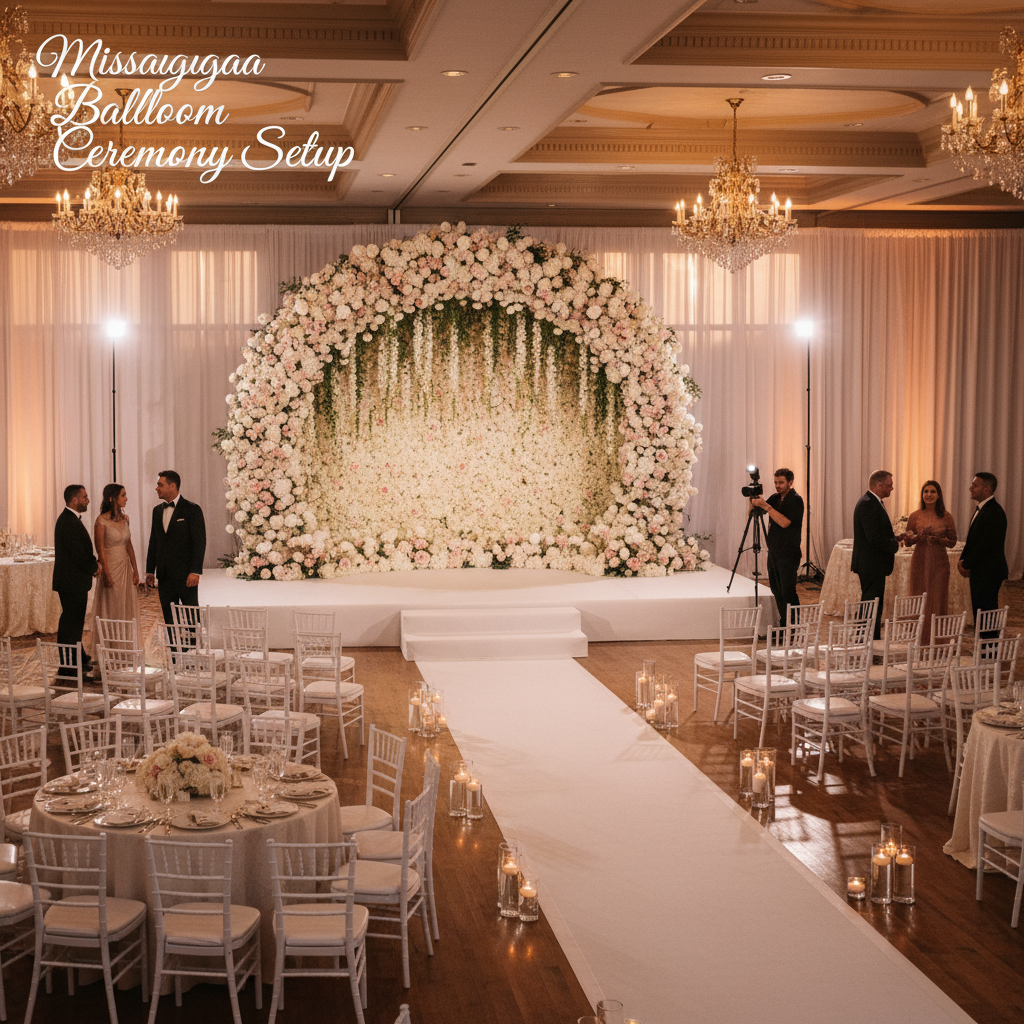
Best Practices for a Flawless Traditional Wedding Ceremony
Venue, logistics, and cultural respect make the difference. These practices work consistently well at full-service Mississauga venues like Palacio Event Centre.
Venue & Layout
- Ceiling height matters: 23-foot ceilings accommodate mandaps, arches, and dramatic florals without visual clutter.
- Flexible capacity: Match the room to guest count—ARRIBA (up to 140) for intimacy; IBIZA Grand Ballroom for up to 900.
- Single-campus flow: Host ceremony, cocktails, and reception under one roof to avoid traffic or weather delays.
- Stage visibility: Elevate the altar or mandap and consider aisle-side monitors for large guest lists.
- Clear aisles: Keep a wide center aisle for processional, baraat entry, or family blessings.
Cultural Catering & Beverages
- Halal, vegetarian, or kosher-friendly planning: Align menus with faith requirements and ceremony timing.
- Multicultural menus: South Asian, Pakistani Halal, Gujarati, Middle Eastern, European, and West Indian Caribbean options for post-ceremony service.
- Non-alcoholic welcome: Offer infused waters or mocktails before a mid-day ceremony; open bar later if desired.
Production & Guest Experience
- Sound design: Lapel mic for the officiant, handheld for readers, and a discrete speaker array for even coverage.
- Lighting looks: Warm wash for vows; spotlight for key rituals and the pronouncement.
- Photo/video: Set no-flash moments and mark camera paths to protect guest sightlines.
- Accessibility: Reserve front-row seating for elders; plan ramp access where needed.
- Rehearsal focus: Time each entrance; practice pauses for applause and photos.
Tools and Resources
- Run-of-show template: One-page timeline with minute-by-minute cues for music, lights, and entrances.
- Ceremony script builder: Sections for vows, readings, and rituals with placeholders and stage directions.
- Processional planner: Drag-and-drop order of family, attendants, flower children, and ring bearers.
- Seating map: Reserved rows for elders and parents; wheelchair-friendly aisles.
- Vendor checklist: Officiant, musicians/DJ, photographer, videographer, décor, AV, catering, and ushers.
- Cultural glossary: Brief explanations of phere, ketubah, nikah, mandap, chuppah, and unity rituals for programs.
Case Studies and Examples (Mississauga)
- Hindu Ceremony + Reception: Morning phere under a mandap followed by an evening reception in the same ballroom. The priest praised unobstructed stage sightlines; guests appreciated staying on one campus.
- Muslim Nikah + Dinner: Afternoon nikah with a dedicated signing table and halal menu. Families requested separate seating; ushers and signage kept transitions comfortable.
- Jewish Ceremony + Hora: Sunset chuppah with clear views for blessings. The team flipped lighting to a dance-friendly look for the hora immediately after photos.
- Christian Ceremony + Cocktail Hour: A classic 25-minute service with unity candle, followed by cocktails in a neighboring space while the ballroom was reset for dinner and toasts.
FAQ
- How long is a traditional wedding ceremony?
- Most run 20–40 minutes. Multi-ritual services—like Hindu or combined ceremonies—can be longer. Plan comfort seating and water stations if you expect an hour or more.
- Do we really need a rehearsal?
- Yes. A 45–60 minute rehearsal locks in timing, entrances, and music cues. Include readers, ring bearers, musicians, and ushers so everyone knows their marks.
- Can we combine cultures in one ceremony?
- Absolutely. Pair a civil or faith service with meaningful cultural rituals. Provide a short program so guests understand the symbolism and when to participate.
- Where should photographers and videographers stand?
- Agree on zones before the ceremony: one front-side angle, a center-aisle long shot, and a side riser to capture vows without blocking guests or the officiant.
- What belongs in our ceremony program?
- Include the order of service, brief explanations of rituals, names of the officiant and readers, and any participation notes (responses, blessings, or songs).
Conclusion
Great ceremonies don’t happen by accident—they happen by design. Use this framework to match tradition with timing, and partner with a venue team that understands both.
Key Takeaways
- Start with a clear sequence, then tailor it with your officiant to honor your tradition.
- Choose a room that fits your guest count, rituals, and staging needs—ARRIBA to IBIZA Grand Ballroom.
- Lock in a month-by-month plan, then run a concise day-of cue sheet with your vendors.
- Rehearse entrances, vows, and music cues—build a small buffer for photos and applause.
- Lean on full-service support—venue, catering, AV, and planning—so you can be present in the moment.
